Is a Srne hybrid inverter right for backup loads?
It can be a good fit when the battery voltage, surge load, transfer behavior and PV input range are checked together before purchase.
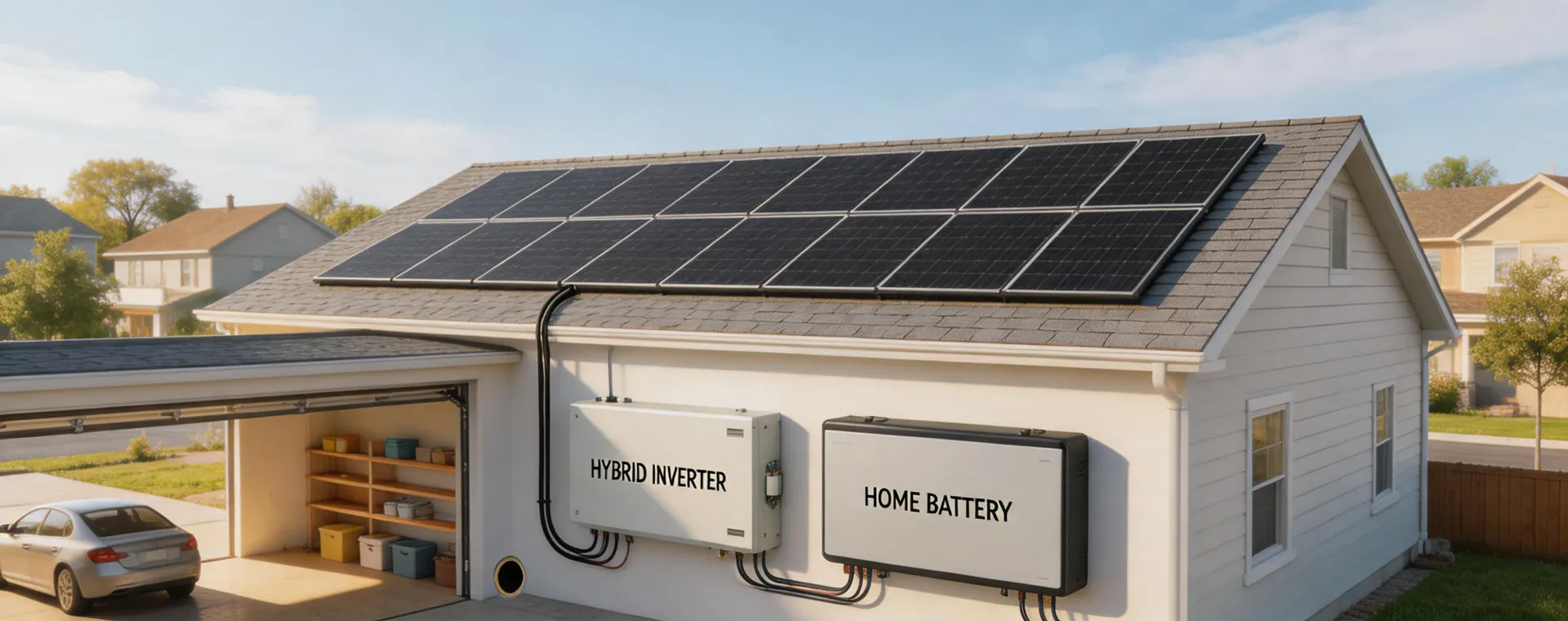
Plan solar inverters, lithium batteries and charge controllers with friendly support that turns model numbers, PV voltage and backup loads into a practical system path.
It can be a good fit when the battery voltage, surge load, transfer behavior and PV input range are checked together before purchase.
Start with array wattage, Voc at the coldest site temperature and the controller current limit, then leave margin for seasonal production peaks.
LFP battery planning should review usable kWh, BMS communication, cycle life at depth of discharge and expected room temperature.
Some readings come from sensing circuits or wiring conditions. Srne advisors help installers separate normal display behavior from field issues.
Ask for product warranty years, battery capacity retention conditions and support procedures instead of relying on broad claims.
No. Typical payback depends on electricity tariff, export rules, federal eligibility, financing cost and how much stored energy is used on site.
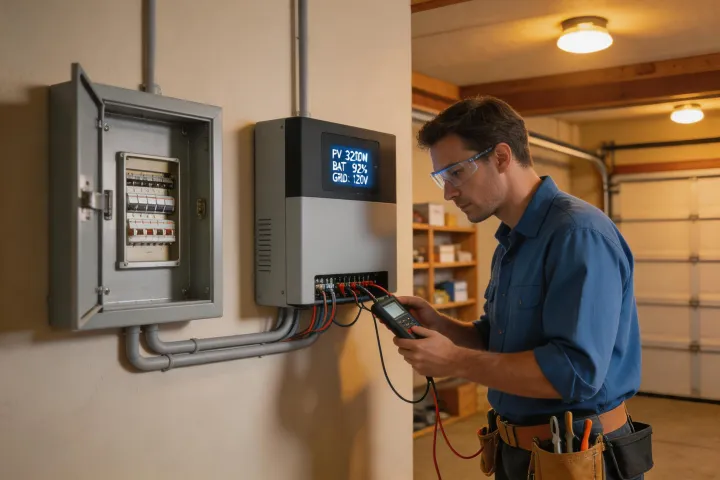
Srne guidance begins with the everyday details that make systems work: single-phase or split-phase loads, PV string voltage, battery communication, transfer expectations and monitoring access.
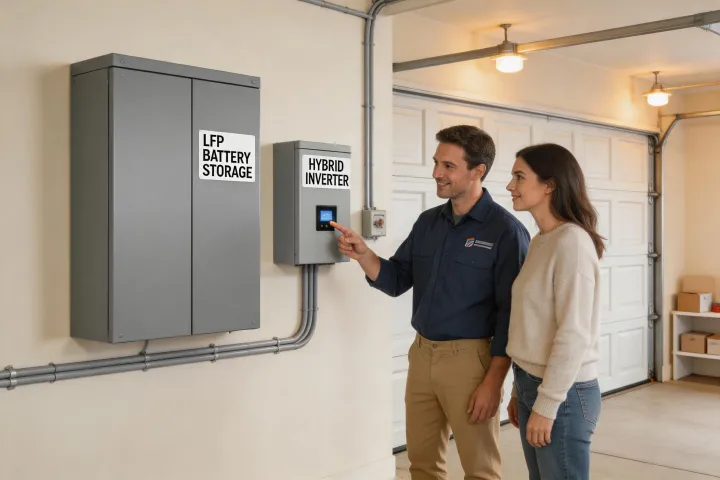
Instead of chasing nominal capacity, Srne conversations focus on usable kWh, battery chemistry, cycle assumptions, backup priorities and space for later expansion.
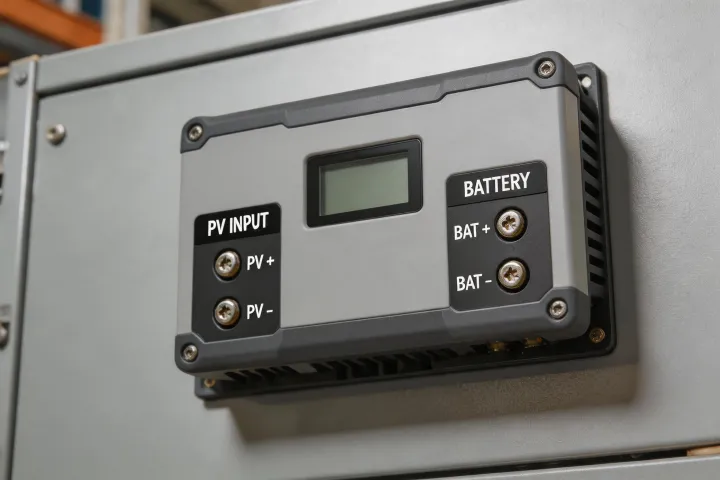
For cabins, RVs, telecom and small backup systems, Srne helps compare PWM and MPPT approaches, current limits, battery voltage and safe array expansion.
| Parameter | Typical planning value |
|---|---|
| Power class | 5 kW, 10 kW and 12 kW residential configurations |
| MPPT voltage window | Confirm array Voc and operating voltage against inverter range |
| Grid behavior | Review local interconnection, transfer mode and export rules |
| Parameter | Typical planning value |
|---|---|
| Chemistry | LFP preferred for residential cycle life and thermal stability |
| Cycle reference | Ask for cycle life at stated DoD and temperature |
| Controller current | 20 A, 40 A and 60 A classes matched to array wattage |
Srne made the homeowner conversation easier because the inverter, battery and MPPT options were explained in practical load terms instead of only model codes.
Share monthly bill range, roof direction, backup priorities, battery preference and the inverter model you are considering.