Phone: +1-888-762-7730 | Email: [email protected] Installer desk | EN | ES
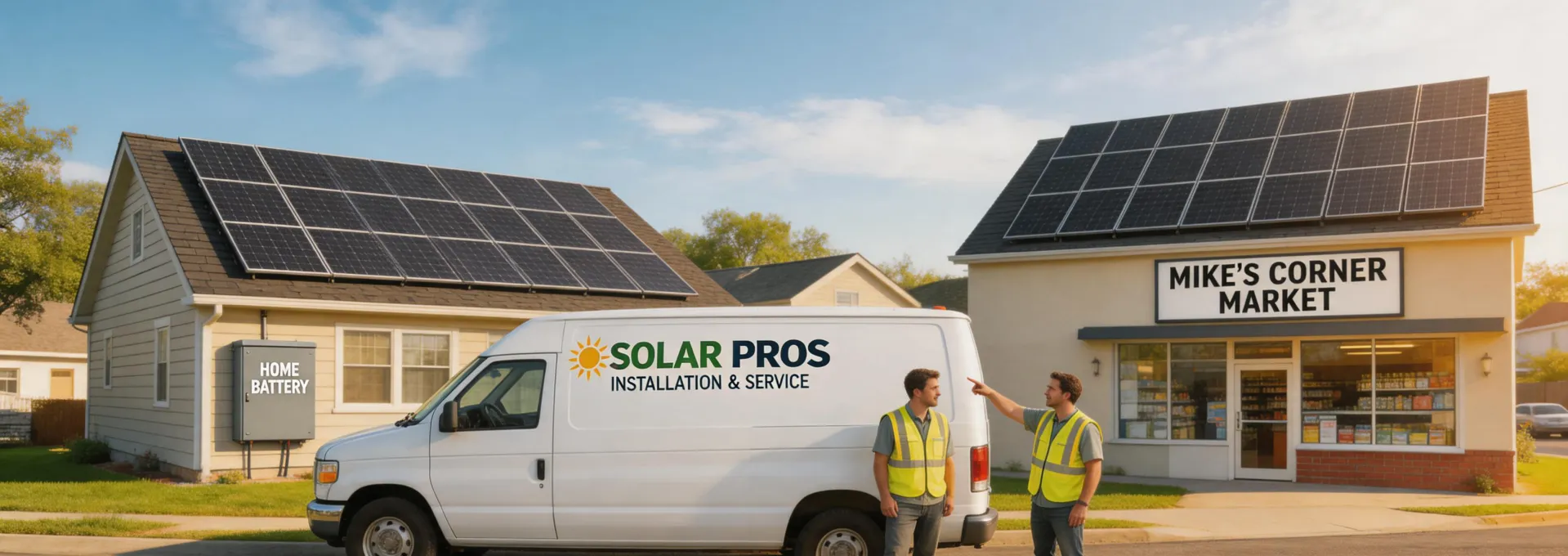
Solar applications across homes and small businesses
Applications and financing conversations

Srne helps different solar buyers understand the same equipment choices

Whether the project is a home backup system, an off-grid cabin, a small business energy upgrade or a distributor package, the core questions stay connected: inverter, battery, controller, tariff and support.

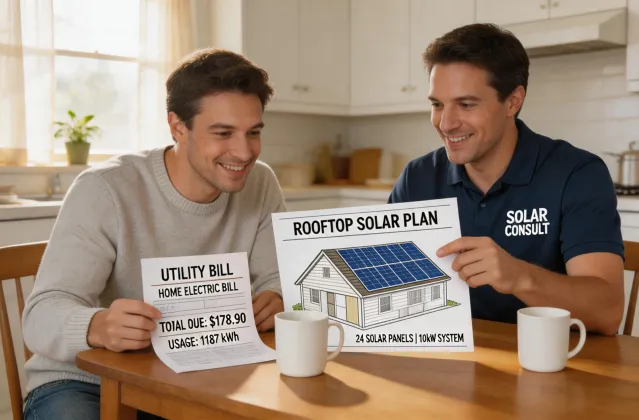
Homeowner reviewing solar savings

Residential backup and bill reduction

Srne guides homeowners through eligible incentives, roof direction, monthly usage, backup load priorities and the difference between nominal and usable battery capacity. Financing outcomes vary by location, tariff and credit terms, so Srne frames payback as a range shaped by real site inputs.
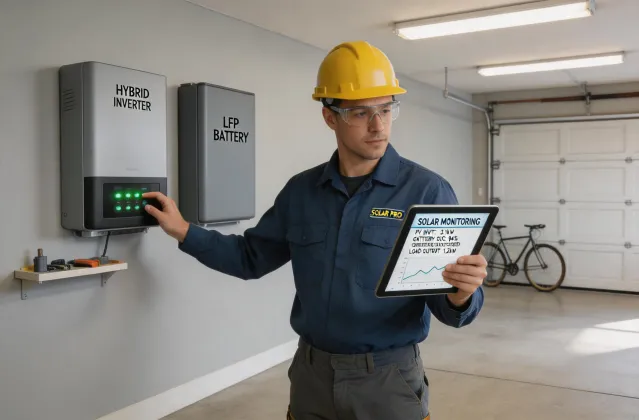
Installer commissioning inverter

Installer quoting and commissioning

Installers use Srne support to check PV input limits, breaker approach, battery BMS communication, app setup and customer handover language. That reduces preventable confusion during startup and helps crews explain why each product belongs in the system.

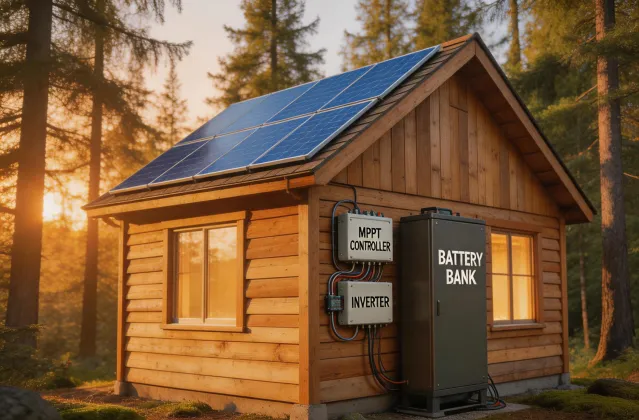
Off grid solar system at cabin

Off-grid and remote energy

Cabins, telecom shelters and mobile systems need careful MPPT current selection, battery temperature awareness and realistic autonomy planning. Srne keeps the language clear so a small project does not become an oversized or underspecified equipment list.

3Core product families
6-10 yrTypical payback range, site dependent
24 hTarget advisor response window
270 C+LFP thermal runaway onset reference

Srne avoids fixed savings promises because tariff rules, incentives and load behavior change from one region to another. The advisory process uses those variables as inputs instead of hiding them. Eligible residential projects may qualify for federal or local incentives subject to current rules and tax guidance, and financing should always be reviewed with the provider's terms. This plain approach helps homeowners compare loan, cash and lease-style options without confusing the equipment decision.

Selection Considerations

Solar lease/PPA vs. cash or loan purchase: which path fits the homeowner?

Residential solar can be financed through a lease, a PPA, a loan, or cash purchase. Each path changes who owns the system, who claims the federal ITC, and how cash flow looks year by year. We publish both sides so prospective customers can decide on the structure that matches their financial picture.

Lease / PPA

$0 down, fixed monthly payment or per-kWh rate, system owned and maintained by a third party. Lowest cash flow stress and removes maintenance worry. Trade-off: the customer does not claim the 30% federal ITC or any SREC value.

Cash / Loan Purchase

Customer claims the 30% federal ITC for eligible installations (subject to IRS guidelines), captures any state SRECs, and owns the full long-term production value. Long-term IRR is typically higher than lease, but cash or financing capacity is required up front.

Typical payback in residential solar is 6-10 years depending on regional incentives. Srne can share regional ITC eligibility notes, financing examples, and ROI worksheets so the comparison is grounded in the customer's actual electricity rate.

Use Srne as a patient second set of eyes on your solar plan.

Send the load list, array size, preferred backup behavior and installation timeline.

Review My Application