Use more solar on site
Battery scheduling and hybrid inverter settings can shift daytime PV into evening loads when tariff rules make that useful.
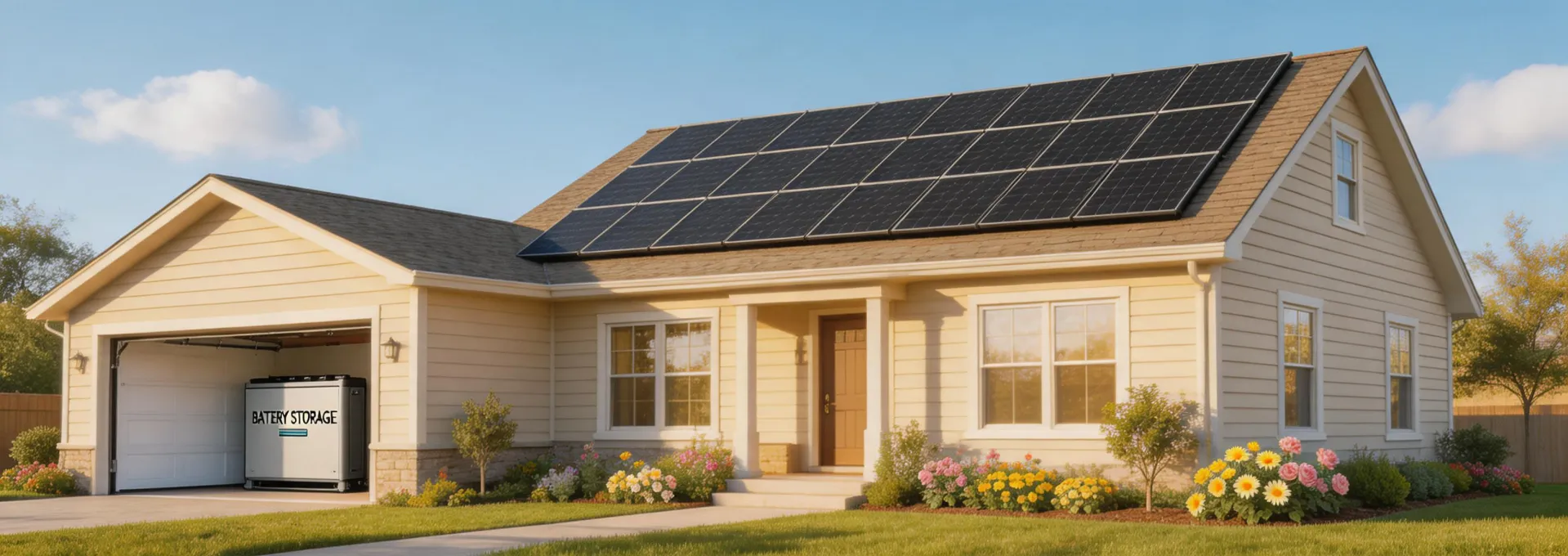
Solar and storage can reduce grid purchases, improve backup resilience and support lower-carbon living, but the best plan depends on local tariffs, usable battery capacity, installation quality and responsible equipment use.
For homeowners, that means explaining how self-consumption, time-of-use rates and battery reserves influence savings. For installers, it means promoting correct sizing, safe commissioning and honest warranty communication. For distributors, it means reducing waste caused by mismatched equipment and unnecessary returns. Srne avoids claims such as zero carbon from day one or guaranteed payback because those statements depend on manufacturing footprint, local grid mix, user behavior, incentive eligibility and financing terms. Instead, Srne helps each project define a reasonable energy goal and the equipment checks that support it.
Battery scheduling and hybrid inverter settings can shift daytime PV into evening loads when tariff rules make that useful.
Backup planning starts with a clear load list so the battery is reserved for circuits that truly matter during outages.
Srne encourages matching equipment to real demand instead of oversizing inverters, batteries or controller current without purpose.
Certification needs vary by region and product type. North American interconnection, European CE programs and battery transport documentation should be reviewed with the actual product model and local authority requirements. Srne's role is to keep those questions visible before a buyer assumes that one compliance label covers every market.
Send site notes and Srne will help frame the renewable energy path in practical terms.
Start a Savings Review